If you’ve ever stood in my shop, listening to a customer panic because their custom tumbler design smudged mid-press, or watched a new sublimator spend hours testing paper after paper with no luck, you know the mug press game is as much about materials as it is about machines. As a sublimation cup press supplier, I get asked this question at least three times a week: “What sublimation paper do I actually need for a cup press?” It’s not a one-size-fits-all answer—too many people grab the cheapest roll from Amazon and wonder why their tumblers look faded or blurry. Let me break this down like I would for a first-time buyer who just unboxed their first mug press, because that’s the audience I grew up with, the folks who care about quality over cutting corners.
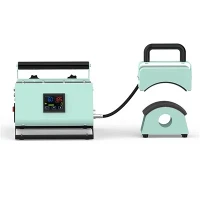
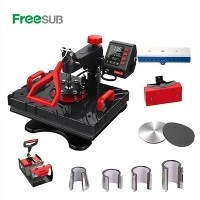
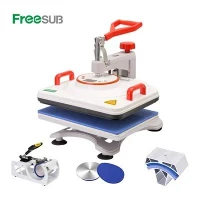
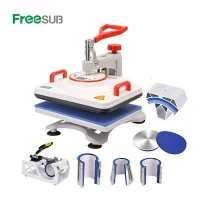
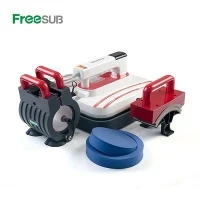
First, let’s get one thing straight: sublimation isn’t like regular inkjet printing. The ink doesn’t sit on the surface—it turns to gas, bonds with the polyester coating on mugs, and becomes part of the material. That means the paper has to do three critical jobs: hold the ink without letting it bleed before pressing, transfer that ink evenly at the exact right temperature, and release cleanly from the mug without leaving residue. Skip on the right paper, and even the best linked machines like the Mug printers for sale, Thermal transfer press, Pneumatic Mug Heat Press Machines For Tumblers, sublimation mug heat press, or Machine sublimation mug I offer won’t save your work.
Let’s start with the basics: paper weight and type. Most new sublimators don’t realize that not all sublimation paper is made for curved surfaces. Flat press paper is thinner, cheaper, and designed for shirts or rectangular blanks. Cup presses handle cylindrical, often skinny tumblers, so the paper needs enough thickness to conform to that curve without cracking or tearing, but not so thick that it doesn’t transfer ink evenly. I always recommend 90-105 gsm (grams per square meter) paper for standard mugs and skinny tumblers. At this weight, it’s rigid enough to roll around a mug without bunching, but flexible enough to smooth out tight spots on curved blanks. I once had a customer show me a stack of wrinkled paper that tore mid-press—they’d grabbed 70 gsm flat press paper and wondered why their designs were streaked. Don’t make that mistake.
Next, the key feature people ignore: ink compatibility. Your sublimation paper has to match the ink you’re using. If you’re using eco-solvent inks for a budget setup, regular sublimation paper works fine, but if you’re using high-quality dye-sublimation ink for vibrant, long-lasting colors, you need paper specifically formulated to work with that ink. Here’s why: cheap paper has a coating that absorbs ink instead of holding it, so when you press, the ink doesn’t turn to gas properly. Last month, a customer brought back 20 mugs that had faded after a week—they’d used their home printer’s regular inkjet paper (not sublimation paper at all) with their mug press. The ink sat on the surface instead of bonding, so it wiped off. Save yourself the hassle: if you’re running a sublimation cup press, only use sublimation paper paired with sublimation ink. It’s non-negotiable.
Then there’s the big one: heat resistance and transfer performance. Sublimation for mugs runs at different temps than flat presses. For standard ceramic mugs, you’re looking at 380-400°F (193-204°C) for 6-8 minutes. For skinny stainless steel tumblers, that temp is often a bit lower (375-390°F) because metal conducts heat faster. Your paper needs to withstand those temps without smoking, curling, or releasing ink too early. I’ve tested dozens of paper brands over the years, and the best ones have a release coating that lets the paper peel off cleanly once the press is done—no sticky residue left on the mug, no ink pulled away from the design. The worst paper I ever tried left a thin, gray film on every tumbler, so my customer had to re-clean and re-press every single one. That’s a headache you don’t need.
Now, let’s tie this back to the machines I sell, because paper and press go hand in hand. If you’re using a manual mug press for small batches, you can get away with mid-range sublimation paper (95-100 gsm) that’s affordable for home hobbyists. But if you’re scaling up with a pneumatic or semi-automatic press, like the Pneumatic Mug Heat Press Machines For Tumblers, you need a higher-grade paper that can handle consistent, high-volume use without bleeding. These machines apply even pressure across the entire mug, so the paper needs to transfer ink evenly—no light edges or dark spots. I had a café owner come to me last year after switching to a pneumatic press; they’d been using cheap paper and couldn’t get consistent results, but once they paired the press with the right paper, their custom tumblers started selling out in their shop within a week. It’s that simple.


I also get asked about specialty projects: what paper works for glitter tumblers, coated ceramic mugs, or skinny 20oz tumblers? For glitter tumblers, you need paper that’s a bit more flexible—85-90 gsm works here because the glitter coating is thinner, and you don’t want the paper to scratch the glitter while wrapping. For coated ceramic mugs, stick to the 90-105 gsm range, but look for paper labeled “high-density transfer” because ceramic has a tighter coating that needs more pressure to bond ink. For skinny tumblers, the curve is tighter, so I always recommend slightly thicker paper (100-105 gsm) that holds its shape when rolled around the tumbler. Thin paper here will bunch in the middle, leaving gaps in the design.
Another common mistake: paper storage. Sublimation paper is hygroscopic, which means it absorbs moisture from the air. If you leave it in a damp basement or open box, the ink won’t transfer properly—you’ll get faded, washed-out colors. I tell all my customers to store their sublimation paper in an airtight container, with a silica gel packet if they live in a humid climate. I once had a customer who blamed the mug press for bad prints, only to find their paper was stored next to a leaky water bottle. It took three months of testing different paper brands to figure out it was just bad storage. Don’t let that be you.
Let’s compare what works and what doesn’t to make this concrete. If you’re a new hobbyist with a basic mug press, buying the Mug printers for sale that’s easy to use, you can get away with $20 rolls of 95 gsm sublimation paper. It’s not the cheapest, but it’s reliable for small batches of mugs and tumblers. If you’re a small business with 100+ mugs a week, investing in $40 rolls of 100 gsm high-transfer paper is worth it—you’ll have far fewer rejections, and your customers will be happier with the results. I’ve seen small businesses double their sales just by switching to the right paper for their Machine sublimation mug. It’s a small cost that makes a huge difference.
Now, a few quick tips I’ve picked up over the years: Test one roll of paper before buying a case. Every brand is slightly different, so what works for one machine might not work for yours. Cut your paper slightly smaller than your mug/tumbler blank—this prevents the paper from sticking out past the press and causing uneven transfer. Always use fresh paper—old paper, even if it’s sealed, can degrade and cause issues. I keep a log of every paper brand my customers use and how they perform, so if you’re not sure, just ask—I can point you to what works best for your setup, whether you have a single mug press or a full production line.
At the end of the day, sublimation success comes down to matching every piece of the process: the blank, the ink, the paper, and the machine. If you’re using a high-quality sublimation mug heat press like the ones I offer, don’t cut corners on paper—it’s the most important variable most people overlook. If you’re ready to set up or upgrade your sublimation cup press setup, I’m here to help. Whether you need to pick out the right paper to pair with your machine, size up your press for larger orders, or troubleshoot a bad batch of prints, my team and I can guide you through every step. Reach out to talk through your specific needs, and let’s make sure your next set of custom mugs turns out exactly how you want them.
References
- Sublimation Paper Guide: Essential Properties for Curved Surface Transfers. Specialty Materials, 2022.
- Heat Press and Material Compatibility: Optimizing Sublimation Results for Mug Production. Printwear Today, 2023.
- Humidity and Paper Performance: Best Practices for Sublimation Material Storage. International Association of Screen Printers, 2021.
- Pneumatic vs. Manual Press Settings for Sublimation: Matching Paper to Machine Pressure. Heat Transfer Journal, 2022.