If you’re running a small to mid-sized custom apparel, decor, or promotional product business, you’ve probably found yourself staring at a 15x15 inch heat press platen and wondering: Do I need a separate heat press for 15x15 projects? For years, I’ve fielded this exact question from customers—hobbyists scaling up, side hustles turning into full-time operations, and even seasoned shop owners who’ve outgrown old, undersized machines. The short answer is: It depends on the types of projects you handle, your production volume, and how you plan to scale your business. Let’s break this down, with insights from what I’ve seen working with hundreds of businesses that rely on 15x15 heat press equipment every day.
First, let’s clarify what a “15x15 project” actually means. That’s a broad category, but most of the time it refers to large-format work: full-back t-shirt prints, custom hoodie chest or sleeve designs, small banners, fabric wall art, large tote bags, and even thick padded products like jacket panels. If you’re regularly printing designs that top out at 15x15 inches, a standard 12x12 heat press (the most common starter size) is going to leave you with awkward gaps, limited design flexibility, and a lot of wasted material. But does that mean you need to buy a dedicated 15x15-only machine? Not necessarily—and that’s where combo units come into play.
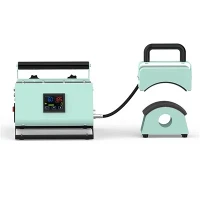
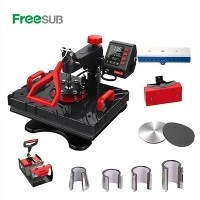
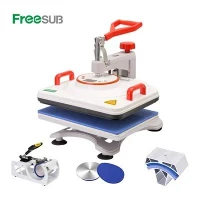
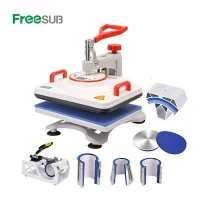
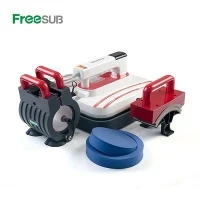
When I first started working with customers five years ago, I saw a lot of new business owners splurge on a separate 15x15 heat press before they knew if they’d use it consistently. For someone who only prints a few full-back t-shirts a month and mostly does small 10x10 logo prints on hats or mugs, a standalone dedicated 15x15 machine is overkill. It takes up more floor space, costs more upfront, and sits idle most of the time. Instead, many of those customers found value in a combo unit built for 15x15 platens. A key example is the 15x15 heat press combo machine that lets you switch between 15x15 work for t-shirts, smaller attachments for mugs, hats, plates, and more—all on the same base. That eliminates the need for a separate 15x15 machine for occasional large work, because you just swap out the attachments as needed.
But here’s the catch: combo units work best for low to medium volume, or for businesses that offer a wide range of products. If 80% or more of your work is 15x15 projects, a combo machine might hold you back long-term. The attachments on combo presses can have their own limitations—mug presses, for example, often have uneven pressure that takes extra calibration, and switching between platens adds time to each job. For a small business cranking out 50+ 15x15 full-back t-shirts a week, that extra downtime adds up. I recently worked with a custom apparel shop in Chicago that started with a 15x15 combo press, and after six months they upgraded to a standalone 15x15 heat press. “We were losing two hours a day switching between mug and t-shirt work,” their owner told me. “For us, the constant swapping just wasn’t worth it, even though we still do custom mugs.”
Another factor to consider is the design of the press itself. Not all 15x15 heat presses are created equal, and that’s where things like swing design matter. A Swing design 8 in 1 heat press lets you open the platen and swing it to the side, so you don’t have to lift heavy substrates straight up—a huge benefit for 15x15 projects, which are bulkier than smaller prints. If you’re working with thick hoodies or padded jackets, a swing design also helps you align the design perfectly without stretching the fabric. That same Chicago shop I mentioned earlier actually loved their swing design when it came to 15x15 work; the problem was just the frequency of attachment swaps. If you only do 15x15 work a few times a week, the swing combo press is more than enough. If it’s your core product, a standalone is better.
Let’s also talk about niche 15x15 projects that don’t fit into the combo mold. For example, if you’re only printing 15x15 designs on mugs? Wait, no—mugs are cylindrical, so a 15x15 platen doesn’t make sense for mug work. That’s where you’d need a specific attachment, and prices vary widely. If you’re branching into promotional products, you might check out the Coffee mug printing machine price guide to see if a separate attachment (add-on to your existing press) or a dedicated combo unit makes more sense for that side of your business. For example, if you have a standalone 15x15 t-shirt press, adding a mug attachment later is cheaper than buying a whole new separate 15x15 machine, so that’s another angle to consider.
Now, what about mid-sized businesses that are growing into 15x15 projects? A lot of these customers ask me about the P8200 Heat Press, a model I’ve seen a lot of success with for both standalone 15x15 work and combo setups. The P8200 Heat Press has a 15x15 platen that delivers even, consistent pressure—critical for large designs, because uneven pressure on a full-back t-shirt will cause faded edges or inconsistent color. If your plan is to scale 15x15 work over the next year, the P8200 gives you the option to add attachments later if you want to expand into mugs or hats, without forcing you to buy a separate machine right away. That flexibility is a big draw for businesses that aren’t sure how much 15x15 work they’ll be doing long-term.


I should also address a common misconception: a “separate heat press for 15x15 projects” doesn’t always mean a 100% dedicated 15x15 machine. For some, that separate unit could be a backup, or a dedicated unit for bulk 15x15 orders while a smaller press handles smaller jobs. For example, a custom shop might have a 12x12 press for small logo work and a dedicated 15x15 press for bulk orders of team jerseys or event shirts. That setup is perfect for high-volume, segmented work, but it requires more floor space and a bigger upfront investment. If you’re just starting out, that’s probably not necessary; most starter or intermediate combo units can handle the occasional 15x15 project without a separate machine.
Let’s look at real-world use cases to make this concrete. Case 1: A part-time hobbyist who prints 10-15 t-shirts a month, mostly small logos, plus a few custom tote bags for local markets. This person will never need a separate 15x15 heat press. A basic 15x15 combo press with a small attachment for tote bags (or even a standalone 15x15 press with a mug add-on later) is more than enough. Case 2: A small boutique that does 20-30 15x15 full-back hoodie prints a week, plus custom mugs for local events. This business will quickly outgrow a combo press. The time spent swapping between attachments will slow down production, and the combo press’s pressure won’t be consistent enough for large, high-quality prints. For them, a dedicated 15x15 standalone press might be worth the investment, or a separate 15x15 press just for bulk orders while a combo unit handles smaller mugs and hats.
Another consideration is quality. When you print a 15x15 design, every inch of that surface needs even heat and pressure. Separate heat presses that are designed exclusively for 15x15 work (like the standalone models we reference as top options) are calibrated to deliver that even heat across the entire platen, no corners left cool or under-pressed. Combo units, while versatile, sometimes cut corners on pressure consistency for their smaller attachments. If customer satisfaction is key to your business, that’s a big factor. For example, if you’re printing custom wedding hoodies for clients, a faded 15x15 print due to uneven pressure will lead to returns and bad reviews. In that case, investing in a press optimized for 15x15 work—whether standalone or part of a combo that’s built to handle large platens—will save you money in the long run.
If you’re still on the fence about whether you need a separate 15x15 heat press, take a quick audit of your current workflow and projects. Ask yourself: What percentage of my monthly orders are 15x15 or larger? Do I regularly run bulk jobs of 15x15 projects, or are they mostly custom small orders? How much floor space do I have in my shop? What’s my budget for new equipment right now? If 20% or less of your work is 15x15, a combo unit like the 15x15 heat press combo machine is a smart, space-saving choice. If 50% or more is large-format 15x15 work, a dedicated standalone press will boost your efficiency and quality.
I also want to mention that you don’t have to choose between “separate machine” and “all-in-one” options. Many of the top presses for 2021, which you can learn more about in the Top heat press machines 2021 guide, let you start with a 15x15 base and add attachments later. That means if you buy a 15x15 press today and later decide you want to expand into mugs or hats, you don’t need to buy a whole separate combo machine—you just add the attachments you need. That’s a middle ground that works for almost every business, regardless of where you are in your growth.
Wait, one last point: for businesses that do occasional 15x15 projects, like seasonal holiday designs or small batches of custom banners, renting a separate 15x15 heat press for those jobs is also an option. But most of my customers find that investing in equipment they use regularly is more cost-effective than renting, especially once their orders grow beyond a handful of jobs a month.
At the end of the day, there’s no one-size-fits-all answer to whether you need a separate heat press for 15x15 projects. It boils down to your specific business needs, production volume, and long-term goals. If you’re still weighing your options, or want to talk through your shop’s workflow to find the right press for you, you can reach out to our team to discuss equipment that fits your 15x15 project needs. For tailored recommendations on presses that balance versatility and performance, our experts are ready to help you find the right fit for your business.
References
- Industrial Heat Press Association. (2023). “Platen Size and Production Efficiency for Custom Apparel Businesses.”
- Small Business Administration. (2022). “Equipment Buying Guide for Custom Promotional Product Shops.”
- Industry Reviews. (2021). “Top Heat Press Models for Large-Format Printing.”