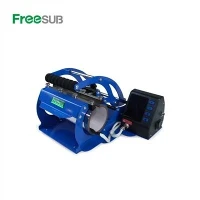
Hey there, if you’ve ever tried to start a custom T-shirt printing side hustle or leveled up your small apparel game, you’ve probably stared down a heat press combo and thought, “How much is this actually gonna set me back?” I get it—when I first got into this 7 years ago, I spent weeks overcomplicating pricing, chasing random YouTube tutorials that never mentioned real-world costs, and even blew a few hundred bucks on a machine that was way too much for what I needed. Now as a heat press combo supplier, I’m here to break this down straight—no fancy jargon, no hidden fees, just the real numbers and what you actually get for your cash.
First off, let’s cut through the confusion: a combo heat press is way more than just a basic T-shirt press. It’s the Swiss Army knife of apparel printing. You can press tees, hoodies, mugs, hats, even phone cases—all on one machine, which is why they’re such a game-changer for small businesses, side hustlers, or anyone tired of juggling 5 different standalone presses. But that versatility is also why pricing bounces around so much, from under $200 to over $1,500. Let’s walk through the factors that drive that cost, so you don’t waste money on features you don’t need or skimp on stuff that’ll break in a month.
First, the basics: what you’re actually using the machine for. If you’re just printing T-shirts for friends or selling 10 tees a week at a local market, you don’t need a heavy-duty industrial combo. But if you’re running a small shop pumping out 50+ custom orders a day, that changes everything. Let’s start with entry-level models—these are the ones most beginners grab when they’re testing the waters. I’m talking about the ones that use basic clamp frames instead of pneumatic (air-powered) systems, have lower temperature accuracy, and simpler digital timers. Entry-level combo heat presses here usually run between $150 and $400. Wait, I know that seems cheap, but let’s be real: these aren’t meant for daily 10-hour shifts. They work great for hobbyists, casual sellers, or anyone doing the occasional custom project. If that’s you, this range is totally solid—just make sure you’re not sacrificing too much on temperature control, because a press that’s off by 20 degrees will ruin more tees than it’s worth. If you’re in the market for something affordable here, check out this cheap combo heat press machine for t shirt that’s a fan favorite among new sellers—we sell a ton of these, and most customers say it’s held up way longer than they expected.
Next, mid-range combo machines. This is the sweet spot for most small business owners who want to scale a little without breaking the bank. Mid-range models add features like better temperature consistency (usually within 5 degrees of the set temp, vs 15+ on entry-level), sturdier frames that don’t wobble mid-press, and often swap out manual clamps for semi-pneumatic systems that take the strain off your wrists—trust me, your arms will thank you after pressing 200 hoodies a week. Mid-range combo heat presses run between $400 and $800. For example, our 15x15 heat press 8 in 1 falls right in here—15x15 is the most popular platen size because it fits almost any standard T-shirt, and 8 in 1 means you can do mugs, hats, plates, and even small phone cases on top of tees and hoodies. That’s the model most of our regular small shop customers start with when they go from selling 10 tees a week to 50. It’s reliable, easy to use, and doesn’t require a second mortgage. If you’re not sure if mid-range is worth it—think of it this way: entry-level machines might last 1-2 years with casual use, while mid-range can go 5+ years with daily use. That’s way more value long-term.
Now, if you’re looking to step up to heavy-duty or specialty combo presses—these are the ones for folks running a full-time shop, doing bulk orders, or working with more weird/ large items. These use full pneumatic or hydraulic systems (so pressing is consistent every single time, no matter how many shirts you do), have oversized platens, and can handle way thicker materials like leather, denim, or even custom canvas banners. These start around $800 and can go all the way up to $1,800, depending on the specs. For example, our 10 in 1 Combo Heat Press Machine is in this higher bracket—its extra attachments let you do things like tumblers, large mugs, even cap visors, which is perfect if you want to expand beyond just tees and mugs. Wait, let’s also talk about the biggest mistake I see new buyers make here: buying a combo that does “everything” when they only ever print tees. That’s like buying a 10-cup coffee maker for just yourself—you’re paying for features you’ll never use, and the machine will be bulkier and harder to store. Stick to what you actually need. If you’re only doing tees and mugs, 8 in 1 is enough. If you want to get into tumblers and hats later, you can always add attachments later, no need to drop $1,500 upfront.
Wait, let’s also bust a common myth: “cheaper means worse.” No, not always. There are cheap combo presses out there that work great for beginners, as long as you’re buying from a reputable supplier (hi, that’s us). But there are also cheap no-name machines on Amazon or random marketplaces that will overheat, leak air, or break after a month. That’s why it’s worth buying from a supplier that actually stands behind their gear—we offer a 1-year warranty on all our combo presses, and our support team will walk you through setting it up, troubleshooting a wonky timer, or even show you how to press a hoodie correctly, no extra charge. If you’re buying from some random seller that vanishes after you pay, you’re stuck with a $200 paperweight when it breaks.
Another thing that affects cost: platen size. The standard is 15x15 inches, which works for almost all adult and youth T-shirts. If you want to print large designs (like full-back tees), you’ll need a 16x20 or 20x20 platen, which adds $100-$200 to the total. That makes sense—bigger platens mean more material, sturdier build, more power. So if you’re planning to do full-back prints, factor that into your budget.
Also, what’s included? A lot of cheaper combo listings only sell the press, no accessories. Good combo machines come with basic attachments (like a mug press base, cap press for 1-2 sizes), a thermometer to double-check temp, and even a couple of test transfers. That’s part of why mid-range is often a better deal—you’re not paying extra for separate accessories. For example, when you grab this printing press machine for shirts from our site, you get the press itself, a standard cap attachment, a mug base, and a free roll of Teflon sheet (super important for preventing ink from sticking to your press) for no extra cost. We see so many buyers forget the Teflon sheet and then wonder why their first 10 shirts got ruined by transfer sticking. Don’t skip that.
Let’s do a quick real-world example to make this concrete. Say you’re a side hustler printing custom tees for friends and family, plus occasional local small orders. Your budget is $250. Our entry-level cheap combo heat press for t shirt is $229, comes with a cap attachment, a mug base, and a Teflon sheet. That’s perfect—you can test the waters, and if it works out, you can upgrade later without losing cash. If you’re running a small shop doing 40 tees a day, the 15x15 heat press 8 in 1 is $599. That’s enough to handle your daily load, has consistent temp, and lets you offer mugs as a secondary product to boost sales. If you’re a full-time shop doing 100+ orders a day, the 10 in 1 Combo Heat Press is $1,199, pneumatic, heavy-duty, and lets you do almost any custom product a customer could ask for.
Now, let’s talk about hidden costs that people forget. First, consumables: transfer paper, vinyl, ink (if you’re doing sublimation—wait, right, sublimation is a whole thing. If you want to do sublimation, you’ll need a sublimation press machine, which is often included in combo presses, but you’ll also need sublimation ink and paper, which adds $50-$100 to your initial supply budget. Second, power: pneumatic presses use a little more electricity, but not enough to make a big difference. Third, space: combo presses are bigger than standalone ones, so make sure you have a spot for it (most fit on a standard workbench, but double-check the dimensions if you have a small garage or home office).


Here’s the best part: you don’t have to spend a fortune to get a great combo heat press. We’ve had beginners start with our entry-level model, make $1,000+ in their first month selling tees, and then upgrade to mid-range 6 months later. We’ve had small shops use the 8 in 1 for 3 years and only replace the Teflon sheet once. And for the folks who want to go all-in, our heavy-duty models have lasted 7+ years with daily use.
If you’re still not sure which one is right for you, or you want to ask about warranties, setup help, or custom bulk pricing, our team is here to chat. We don’t do pushy sales—we just give you the real info so you can pick a combo heat press that fits your budget and your needs, no wasted cash. Don’t overcomplicate it: think about how much you’ll actually use the machine, what products you want to offer, and go from there.
At the end of the day, a combo heat press isn’t just a piece of equipment—it’s the tool that lets you turn your custom design ideas into physical products that people love. Whether you’re just starting out or ready to scale, there’s a combo out there for you. If you’re ready to browse our options or ask questions about pricing, reach out to our team to chat about your needs.
References
- Small Business Trends. (2023). "Cost of Entry-Level vs. Mid-Range Commercial Printing Equipment."
- Custom Apparel Market Report. (2022). "Key Factors Impacting Heat Press Purchase Decisions for Small-Scale Apparel Printers."
- Printwear Magazine. (2023). "2023 Heat Press Buying Guide: How to Match Machine Specs to Business Volume."